Bexley Council Permits for Blackfen Removals Explained
Moving house in Blackfen can feel straightforward right up until the van pulls up and the street layout says otherwise. Narrow roads, shared driveways, busy parking bays, awkward corners, and neighbours who all seem to need the same space at the same time - that is usually when permit questions start. This guide to Bexley Council Permits for Blackfen Removals Explained breaks down what a permit is, when you might need one, how it affects your moving day, and how to avoid the kind of last-minute scramble that can turn a decent move into a stressful one. If you are planning a flat move, a full house move, or a quick same-day job, this is the practical version, not the fluffy one.
To keep the rest of your move tidy and sensible, it also helps to think about packing, access, and what happens after the van leaves. You may find it useful to read about creative packing solutions for a stress-free moving experience and pro tips for a smooth, stress-free home move while you are planning. Small details matter more than people expect. They really do.
Why Bexley Council Permits for Blackfen Removals Explained Matters
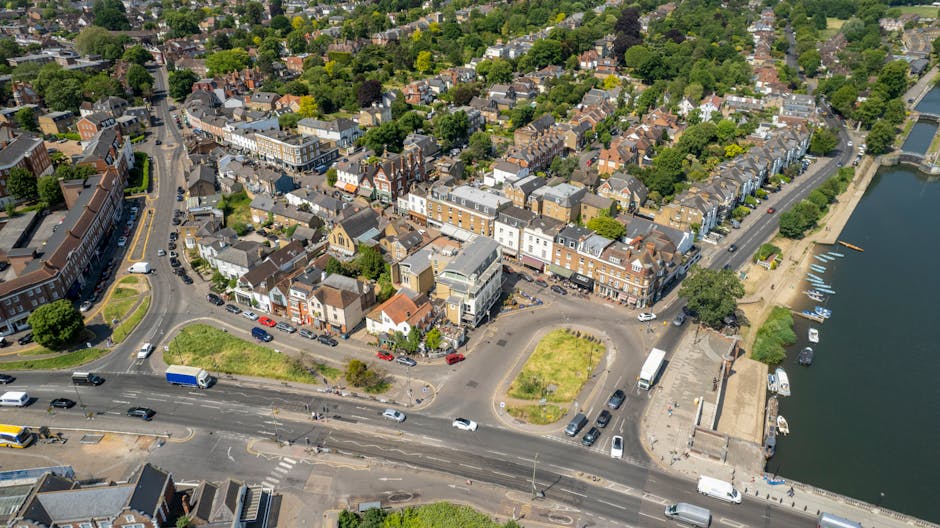
At first glance, a parking permit for removals sounds like admin. A box-ticking exercise. But in Blackfen, where access can be tight and loading space is often limited, it can be the difference between a calm handover and a chaotic day of circling the block. A permit may help you reserve or justify loading access, protect your move from penalty tickets, and reduce the time your removals team spends hunting for a legal parking spot.
That matters for more than convenience. If a removal van cannot park where it needs to, then lifting distances increase, delays build up, and the risk of damage rises. The sofa that should have gone through the front door ends up being carried an extra thirty metres, then carefully angled around a car mirror, then everyone starts to feel that small, annoying pressure in the shoulders. You know the feeling. A permit does not solve every problem, but it removes one very common one.
For local moves, especially around busier Blackfen roads or near junctions where parking is naturally at a premium, the permit question should be part of your planning from day one. It is also closely tied to route planning, which is why local access articles like access parking for removals by Danson Park, Blackfen and best van routes near Falconwood Station, Blackfen can be helpful when you are figuring out the practical side of moving day.
Expert summary: if your removal vehicle needs to stop in a restricted, controlled, or awkward parking area, treat the permit check as part of the move itself, not as an optional extra.
How Bexley Council Permits for Blackfen Removals Explained Works
Let's keep this plain English. A council permit is permission to use a specific road space, bay, or loading area under certain conditions. In removal situations, the key issue is usually whether the vehicle can legally stop close enough to the property to load or unload safely. Depending on the road, the bay type, and the timing, you may need a dispensation, suspension, or another form of parking approval. The exact wording and procedure can vary, so it is always worth checking the current local requirements before the moving date.
In practice, the process usually involves a few basic questions:
- Is the road controlled by parking restrictions?
- Will the van need to park in a bay, on a single yellow line, or in an otherwise restricted spot?
- How long will loading or unloading take?
- Is there alternative off-street access, such as a driveway or forecourt?
- Will the vehicle block traffic or create a safety issue if it stops without permission?
If the answer to any of those leans toward "yes, this will be tricky", a permit conversation should happen early. And by early, I mean before the van is packed. Not after. In our experience, that small timing difference is often what separates a controlled move from a messy one.
The other thing to remember is that a removals team may have its own preferred method for dealing with parking in Blackfen. Some jobs can work with a small van and a shorter stopping point; others need a larger vehicle with more deliberate positioning. If you are comparing move types, it can help to look at the differences between man with a van Blackfen, man and van Blackfen, and a more full-service option such as removal services Blackfen.
Key Benefits and Practical Advantages
When you get the permit side right, the whole move tends to breathe a bit easier. Not glamorous, but true.
- Less risk of parking penalties: the most obvious benefit, and one people are grateful for when the day gets hectic.
- Better loading access: shorter carrying distances help protect both furniture and floors.
- Faster turnaround: removal crews can work more efficiently when the vehicle is legally placed close to the entrance.
- Lower physical strain: fewer awkward lifts from a distance means less fatigue and less chance of mishaps.
- Improved schedule control: permits help reduce the domino effect of delays caused by parking issues.
- Better neighbour relations: less blocking, less confusion, fewer irritated glances through curtains at 8 a.m.
There is also a quieter benefit: confidence. Once you know the van has a legitimate place to stop, you stop worrying about that one detail every five minutes. That leaves your head free for the real moving problems, like where the kettle went and whether the mattress has somehow become heavier since last week.
If your move involves bulky or awkward items, permit planning becomes even more useful. The right setup can make a big difference when handling sofas, white goods, beds, or stairs. For a bit more context, you may also want to compare the practical guidance in furniture removals Blackfen and the more specialised support offered through piano removals Blackfen.
Who This Is For and When It Makes Sense
Not every Blackfen move needs a permit. That is worth saying clearly. If you have a private drive, easy off-street loading, or a quiet road with ample unrestricted space, you may not need to do anything beyond normal planning. But a permit becomes much more relevant in the following situations:
- You live on a road with controlled parking bays or active restrictions.
- You are moving from a flat or maisonette where direct van access is limited.
- Your property is on a narrow residential street with constant parked cars.
- The move involves a large van or multiple trips.
- You are handling a same-day or short-notice move and need a very specific parking setup.
- Loading will take longer than a quick drop-off.
It also makes sense if you are moving fragile or heavy items that need to be carried carefully and close to the door. That includes wardrobes, appliances, beds, and delicate items that should not be rushed across a long pavement. If you are moving a piano, for example, the margin for parking error is tiny. A tiny bit of bad planning becomes a big bit of lifting. There is a reason professionals treat access like a core part of the job, not a side note.
Students and renters often overlook this because they are focused on getting out quickly and cheaply. Fair enough. But even small moves benefit from good access planning. If you are moving a compact flat or shared house, it is sensible to consider flat removals Blackfen or student removals Blackfen and think about how permit needs could affect the day.
Step-by-Step Guidance
Here is the cleanest way to deal with Blackfen moving access and permits without making it more complicated than it needs to be.
- Check the property access first. Look at the street, bay restrictions, driveway width, gate access, and whether the van can safely stop nearby.
- List the items and the likely vehicle size. A small load may fit a smaller van, while furniture-heavy moves often need a more deliberate parking plan.
- Identify whether any restriction applies. If parking is controlled, assume a permit or dispensation may be needed until you have confirmed otherwise.
- Build the permit check into your moving timeline. Do not wait until the evening before. People do that, then wonder why the day feels rushed.
- Coordinate with the removals team. Tell them where the van can stop, how long it can stay, and whether there are time windows to avoid.
- Prepare the loading route. Clear hallways, move bins, unlock gates, and make sure you know which entrance will be used.
- Have a fallback option. If the closest bay is unavailable, know where the next-best legal space is.
- Confirm the plan on the day. A quick check in the morning can save a lot of back-and-forth later.
A small but useful detail: if you are moving from a road with tricky turns, tell the team about that too. A van route that looks fine on paper can feel different when you are trying to reverse around a parked car and a skip. Local knowledge helps, and so does honest communication.
For people still deciding how to organise the rest of the move, the article on hidden fees in Blackfen removals is a sensible companion read, because permit problems often show up as extra charges or time overruns if nobody planned ahead.
Expert Tips for Better Results
If you want fewer headaches, use the permit issue as a planning tool rather than a problem to solve later. That shift in mindset helps a lot.
- Measure the parking reality, not just the postcode. A Blackfen address on its own does not tell you whether a van will fit comfortably.
- Keep the loading zone as short as possible. Every extra metre matters when sofas and wardrobes are involved.
- Match the vehicle to the access. Sometimes a slightly smaller van is the smarter choice because it is easier to position legally.
- Pack with movement in mind. Items that are likely to be needed first should not end up buried under everything else.
- Use protective materials properly. A longer carry means more chances for scuffs, knocks, and accidental corner taps.
- Ask about timing sensitivity. Morning bays, permit windows, and school-run traffic can all change the best plan.
We often tell people: the best removal day is the one that feels boring in the right places. No drama, no guessing, no "we'll just wing it". Truth be told, winging it is how people end up standing in the road with a wardrobe at a slightly alarming angle.
For the packing side of things, it helps to revisit packing and boxes Blackfen and decluttering made easy for a stress-free move. Less clutter means faster loading, which in turn reduces how long you need the parking space. It all connects.
Common Mistakes to Avoid
Most permit-related problems are predictable. That is the annoying part. They happen because the same few mistakes keep repeating.
- Leaving the permit check too late. This is the big one.
- Assuming a van can simply stop anywhere for a minute. In restricted areas, "just for a minute" can still be enough for a ticket.
- Not telling the removals team about access limits. They may arrive prepared for one kind of loading plan and face another.
- Ignoring the return trip. Unloading at the new address may have parking restrictions too, so it is not just the old place that matters.
- Forgetting about the weather. Rain, wind, and slippery paving make long carries more awkward.
- Overloading the van. If more trips are needed than expected, the parking window becomes much tighter.
Another common slip is assuming all councils or streets work the same way. They do not. Even a small difference in road layout can change what is practical. So if one neighbour managed without a permit last month, that does not automatically mean your move will be the same. Different day, different restrictions, different headache.
When bulky furniture is involved, a poor access plan also creates avoidable wear and tear. If that sounds familiar, the article on narrow staircases and small van solutions for Blackfen is useful because it shows how access constraints can shape the whole removal strategy.
Tools, Resources and Recommendations
You do not need fancy software to organise a permit-aware move. A simple system usually works best.
- Phone notes or a moving checklist: keep a running list of access details, parking restrictions, and key timings.
- Photos of the street: useful for remembering where the nearest legal stop point is.
- Floor plan or rough sketch: helps you identify where furniture should go so unloading is smoother.
- Box labels: cut down on unloading confusion and wasted time.
- Property access details: gates, entry codes, stair widths, lift times, or any awkward features.
- Removal estimate notes: a good quote process should reflect access, not just item count.
A solid removals company should ask about access early. If they do not, that is worth noticing. The more thoughtful providers tend to talk about parking, lifting distance, and risk before they mention the easy stuff. That is usually a good sign.
It is also smart to review the moving team's insurance and safety approach. If you are unsure what standards to look for, the page on insurance and safety gives useful context, while health and safety policy can help you understand the practical care standards behind a smoother move.
Law, Compliance, Standards, or Best Practice
Parking permits and loading rules sit inside a wider framework of road use, local restrictions, and safe moving practice. The exact rules can change by road type and council decision, so the safest approach is to treat permit planning as a compliance task rather than a casual convenience. In plain terms: if a stop could block traffic, sit in a controlled bay, or interfere with local parking restrictions, you should not assume it is allowed.
Best practice for removals in Blackfen usually includes:
- checking restrictions in advance;
- keeping walkways clear;
- using safe lifting methods;
- avoiding unnecessary obstruction;
- communicating access constraints to everyone involved;
- protecting property and people during loading and unloading.
That last point matters more than people realise. A permit is not just about avoiding a ticket. It supports safer positioning, which in turn supports safer lifting. There is a chain there, and once you see it, the logic is pretty obvious. One awkward stop can force a poor lifting angle, and one poor lifting angle can cause a bad back, a chipped bannister, or both. Nobody wants that.
If you are moving specialist items, the compliance and care side becomes even more important. For example, it is worth reading about the complexity of moving a piano by yourself before trying to handle a heavy or delicate object without enough access space.
Options, Methods, or Comparison Table
There is more than one way to manage removals parking in Blackfen. The right option depends on your street, the size of the move, and how much time you have.
| Method | Best for | Pros | Watch-outs |
|---|---|---|---|
| Off-street driveway loading | Homes with private access | Simple, fast, usually lowest stress | Not always available; may still need careful positioning |
| Controlled curbside parking with permit | Restricted roads and busier streets | Closer loading, fewer parking risks | Needs planning and timing |
| Small van plus multiple trips | Narrow streets or tight access | More flexible parking, easier manoeuvring | More trips, more time, more carrying |
| Staged loading from a legal nearby space | Tricky access zones | Can work when direct access is limited | Longer walking distance and extra labour |
In many Blackfen moves, the smartest route is a hybrid. For instance, you might use a smaller van to manage the street, then organise the load carefully so the biggest items go first. Not perfect on paper, but often the most realistic option. Real life tends to prefer realistic over ideal.
For more context on choosing the right vehicle or service style, have a look at removal van Blackfen and removal companies Blackfen. Those pages help frame the decision between vehicle size, service scope, and access needs.
Case Study or Real-World Example
Imagine a typical Blackfen move from a first-floor flat on a residential road with limited visitor parking. The tenant has a sofa, a dining table, a bed frame, several boxes, and a fridge freezer. Without planning, the van arrives, every nearby space is taken, and the team has to wait while someone moves a car. Ten minutes becomes twenty. Then thirty. The client is getting anxious, the team is working around pedestrians, and the fridge freezer is still sitting in the hallway. Not ideal.
Now compare that with a move that started with access planning. The route into the street is checked beforehand. The removals team knows where the closest legal stop is. Boxes are staged by the door. The largest items are loaded first. The carry distance is short enough that nobody is exhausted by midday. It is not magical. It is just organised.
That kind of planning is also useful if you need storage between dates. A move that cannot happen in one clean handover may benefit from temporary space, and you can see how that fits with storage Blackfen or even a broader approach to moving and staging. For furniture-specific preparation, maintaining your couch for long-term storage is a good reminder that items should be protected properly if they are not going straight into the next room.
Practical Checklist
Use this before moving day. It is simple, but it catches a lot of avoidable issues.
- Check whether the pickup road has parking restrictions.
- Check whether the delivery address has restrictions too.
- Confirm whether a permit, dispensation, or suspension is needed.
- Tell the removals provider about street width, gates, stairs, and access points.
- Estimate how long loading and unloading will take.
- Decide whether a smaller van would help with access.
- Prepare a clear route from the property to the van.
- Separate fragile items and label boxes clearly.
- Keep key documents, phone chargers, and essentials with you.
- Have a backup parking option in case the first one is unavailable.
If your move includes appliances, it is also worth reviewing how to keep them safe during and after transport. A fridge or freezer left unprepared can be a nuisance later, so the article on freezer storage techniques may be surprisingly useful in a moving context.
Get a free quote today and see how much you can save.
Conclusion
Bexley Council permits for Blackfen removals are not the most exciting part of a move, but they are one of the most useful things to get right. When access is planned properly, everything else tends to settle into place: the loading is smoother, the lifting is lighter, the timings are clearer, and the whole day feels less like a fire drill. That is the goal, really.
If there is one takeaway, it is this: do not treat parking as a minor detail. In a place like Blackfen, access can shape the whole moving experience. A little preparation now can save you from a lot of faffing later. And on moving day, fewer surprises is always the nicer way to live.
When you are ready, take the next step calmly, check the access, and let the move unfold the way it should - steadily, safely, and without the unnecessary drama.
Frequently Asked Questions
Do I always need a Bexley Council permit for removals in Blackfen?
No, not always. If you have off-street parking or easy unrestricted access, a permit may not be needed. It usually depends on the road restrictions, how long the van will stop, and whether loading can happen safely without blocking anything.
What kind of move is most likely to need parking permission?
Moves from flats, terraced homes, narrow roads, or busy residential streets are the most likely to need it. If the vehicle has to stop in a controlled parking bay or a restricted area, a permit or similar approval is often the sensible route.
How far in advance should I check permit requirements?
As early as possible. Ideally, build the check into the move planning stage rather than leaving it until the week before. That gives you time to confirm access, choose the right vehicle, and avoid last-minute changes.
Can a removal company handle the permit side for me?
Sometimes they can help advise on the process or spot access issues early, but you should never assume everything is covered unless it is clearly agreed. The best approach is to share property details early and confirm who is responsible for what.
What happens if I do not arrange a permit when one is needed?
You could face a penalty, delays, or a longer carry from a legal parking space further away. That can also make the move slower and more physically demanding, which is the bit nobody enjoys on the day.
Is a smaller van better for tricky parking in Blackfen?
Often, yes. A smaller van can be easier to position on a narrow street or tight residential road. That said, it depends on the volume of items, the number of trips, and whether the extra time outweighs the parking benefit.
Does permit planning matter for short-notice or same-day removals?
Very much so. In a short-notice move, access planning becomes even more important because there is less time to correct mistakes. If you are moving quickly, the parking plan should be one of the first things you sort out.
Can I just use my own drive or front space instead?
If you have safe off-street access, that is usually the easiest option. Many moves become much simpler when the van can stop on private property or another clearly suitable space. The key is to check whether the space is wide enough and safe for loading.
Do permits affect how much a move costs?
They can. If parking is difficult, the move may take longer or require extra planning. That does not automatically mean a big cost increase, but access issues can influence quotes and labour time. Good planning helps keep this under control.
What should I tell the removals team before moving day?
Give them the address, parking restrictions, stair access, whether there is a lift, the size of the furniture, and any issues with turning or reversing. The more exact you are, the easier it is for them to plan a realistic loading setup.
Are permits more important for large items like pianos or wardrobes?
Yes. Heavy or delicate items are much easier to handle when the van can park close by. A poor parking setup means longer carries, more lifting, and more opportunity for damage. For those jobs, access planning is especially worthwhile.
What is the simplest way to avoid permit problems altogether?
Use the most accessible legal parking option available, plan early, and keep the loading route short. If you can combine that with clear communication and proper packing, you are already ahead of most moving-day headaches.