Bexley Move Parking Rules: Avoid Fines in Blackfen
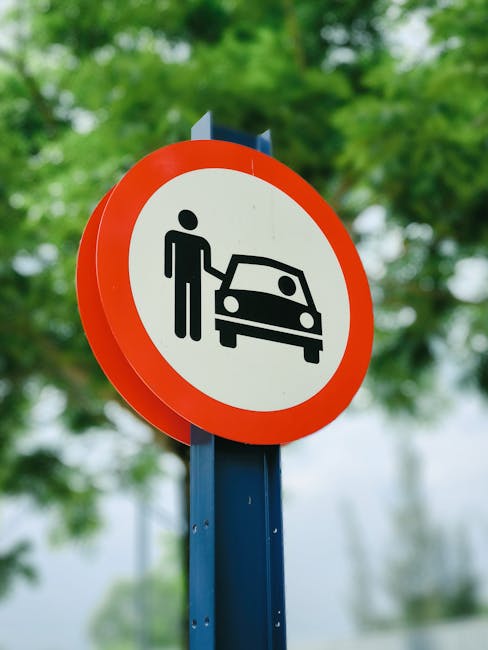
If you are planning a move in Blackfen, parking can become the part of the day that quietly causes the most trouble. The boxes are labelled, the kettle is packed, the sofa is nearly out the door - and then the van has nowhere sensible to stop. That is exactly where Bexley Move Parking Rules: Avoid Fines in Blackfen becomes useful. Get the parking side right, and the whole move feels calmer, quicker, and far less expensive. Get it wrong, and a routine loading stop can turn into a fine, a delay, or a very awkward conversation with a neighbour.
This guide walks through the practical side of moving in Blackfen: what to check, what to avoid, how loading and waiting usually work in real life, and how to reduce the risk of penalties without overcomplicating the day. It is written for people who want straight answers, not fluff.
Why Bexley Move Parking Rules: Avoid Fines in Blackfen Matters
Blackfen is one of those places where a move can look simple on paper and feel much busier on the day. Streets can be narrow, parking spaces can be limited, and a van that is only half-on the kerb can still create problems if it blocks traffic or crosses a restriction you did not spot in time. Truth be told, most moving-day parking fines are not dramatic mistakes. They are small oversights: a yellow line missed in a rush, a permit condition overlooked, or a loading bay used longer than allowed.
That is why parking planning matters so much. A good move is not just about lifting heavy furniture and getting from A to B. It is about making sure the vehicle can stop safely, close enough to the property, for long enough to load without causing disruption. When that part is handled well, the rest of the day usually flows better too. Fewer trips. Less stress. Less standing around holding a wardrobe door while someone looks for a space that does not exist.
For local moves, the financial impact matters as well. A fine can be annoying on its own, but the knock-on effect is often worse: extra time, extra parking anxiety, and in some cases a longer loading period that affects the whole schedule. If you are comparing man with van help or a fuller moving service such as home moves, parking readiness should be part of the decision, not an afterthought.
Practical takeaway: in Blackfen, the safest approach is to treat parking as part of the moving plan, not something to sort once the van arrives.
How Bexley Move Parking Rules: Avoid Fines in Blackfen Works
There is no one-size-fits-all rule for every street, so the smart move is to understand the type of parking control you are likely dealing with. In practice, you are usually checking a mix of signs, road markings, time restrictions, and local loading expectations. The exact details vary by street, which is why a quick walk-through before move day is worth its weight in gold.
Here is the basic logic. If a bay, permit area, or loading restriction applies, the vehicle must fit the condition shown on the street signs. If the van is waiting rather than actively loading, the rules may be stricter. If you are blocking a dropped kerb, a driveway, or a junction, that can create another problem even if the road itself looks calm. Let's face it, parking rules rarely feel generous when a van is involved.
For removals, the aim is usually to stop as close as possible for the shortest practical time, then load efficiently. That might mean using a dedicated loading bay, arranging a legal stop nearby, or having one person reserve time mentally - not physically - by checking access, space, and likely obstacles before the vehicle arrives. If you are working with removal services or a removal company, ask how they typically manage loading in restricted streets. A good operator will think about access before the first box is touched.
It also helps to distinguish between stopping to load and simply parking. Those are not always treated the same way, and in moving situations the difference can matter. If the vehicle is unattended for too long, or if loading is slow because the team is still sorting belongings inside, a penalty risk can rise. It sounds obvious, but on the day, people get distracted. Boxes are open. The hallway is full. Someone says, "I'll just grab the tape," and ten minutes disappear. That's usually how the clock wins.
Key Benefits and Practical Advantages
Good parking planning brings more than just peace of mind. It can directly improve the move itself.
- Lower risk of fines: fewer rushed stops, fewer questionable spaces, fewer mistakes.
- Faster loading: a van parked legally and close by reduces carrying distance.
- Less strain on people and furniture: every extra metre matters when moving heavy items.
- Better timing: the schedule stays tighter when the crew is not hunting for a space.
- Cleaner neighbour relations: you are less likely to block driveways or cause frustration on a quiet street.
There is also a less obvious benefit: confidence. People make better decisions when they are not panicking about parking. If you know where the van can legally stop, where the front door access is, and how long the loading will take, you can focus on the move itself. That is a real quality-of-day improvement, not a minor detail.
For bigger properties, or moves that involve extra furniture and fragile items, parking planning can make the difference between a smooth morning and a slightly chaotic one. If you also need help with packing, you may want to look at packing and unpacking services, because well-packed boxes speed up loading and reduce the time a vehicle needs to remain in one place.
Who This Is For and When It Makes Sense
This guide is useful for anyone moving in or around Blackfen, but some readers will feel the benefit more immediately than others.
- Home movers: families and tenants moving furniture, boxes, and appliances.
- Students or flat-sharers: smaller moves still need correct stopping and loading.
- Landlords and letting agents: coordinating handovers without parking headaches.
- Office teams: moving equipment and records with minimal disruption.
- Single-item movers: even one sofa can become complicated if access is tight.
If you are using a van rather than a full-scale lorry, you might assume parking is easy. Sometimes it is. Sometimes not. A smaller van can fit into a better space, but it can also tempt people into "just popping there" decisions that do not match the road markings. In Blackfen, the sensible move is still to plan ahead. Small vehicle, same rules.
For business relocations, parking planning matters even more because time pressure is higher. If you are organising a desk move or archives transfer, consider office removals or commercial moves alongside the parking plan so the whole day stays coordinated.
Step-by-Step Guidance
If you want to avoid fines in Blackfen, work through the move in the same order every time. It keeps things calm. Not glamorous, but effective.
- Check the street in advance. Walk or drive past the property if possible. Look for yellow lines, loading restrictions, permit bays, and signs near both sides of the road.
- Measure the access, not just the drive. A van may fit in the street but still block the turning area or sit too far from the front door.
- Estimate loading time honestly. A quick studio move is different from a family house full of awkward furniture.
- Decide who is responsible for parking. One person should keep an eye on the vehicle while others handle the property. Too many cooks, as they say.
- Keep the van actively used. If the vehicle must remain near the property, loading should be steady and organised.
- Prepare the items before the van arrives. Staged boxes, disassembled furniture, and clear hallways reduce the stop time.
- Have a backup plan. If the nearest space is unavailable, know the next legal option before the crew starts carrying heavy items.
A tiny but important detail: if you know a tight street is likely to be busy early in the morning, plan for that. Sometimes an 8:00 arrival is better than 9:00 because traffic, school runs, and vans from other jobs all seem to appear at once. Other times the reverse is true. Local judgement helps here.
If you are booking a vehicle for the move, a service like man and van or a larger removal van can be matched to the street and the amount you need to move. That is usually smarter than choosing the biggest vehicle available and hoping for the best.
Expert Tips for Better Results
Here is where small choices save you a lot of grief.
- Photograph the parking signs before move day. If there is any doubt, you will have a reference.
- Break the load into batches. The first batch should include the most awkward items, because they often take longest to manoeuvre.
- Use two people for the most difficult furniture. It reduces the time the van is left waiting.
- Keep tape, bags, and labels ready. Loose organisation eats time in ways that are mildly ridiculous.
- Avoid blocking dropped kerbs or driveways, even briefly. A few minutes can still create complaints.
- Build in buffer time. A 10-minute delay can snowball when parking is tight.
One thing seasoned movers notice quickly: the best days often look boring from the outside. The van stops cleanly. The route from door to vehicle is clear. The items are stacked in a sensible order. Nobody is wandering around with a roll of tape wondering where the screwdriver went. Boring is good.
If you want a clearer idea of who is handling the move and how they work, it can help to read a company's about us page and review their insurance and safety approach. That does not solve parking on its own, of course, but it gives you a better sense of whether the team is organised enough to deal with the practical side properly.
Common Mistakes to Avoid
Most avoidable parking problems are surprisingly ordinary. Here are the ones that show up again and again.
- Assuming a van can stop anywhere. Even a short stop can be an issue if the restriction is active.
- Leaving the vehicle unattended for too long. A loading stop can drift into a waiting issue if nobody is watching time.
- Ignoring the other side of the street. Signs can apply in both directions or shift by section.
- Not checking permit requirements. Some streets need more than a quick glance.
- Underestimating the number of trips. More trips mean more exposure to parking risk.
- Forgetting neighbours and access points. A blocked driveway or corner can create avoidable complaints.
A common one in apartment moves is the assumption that "we'll just use the bay outside for a few minutes." That phrase has caused more trouble than it should. If the bay is controlled, the right stop matters just as much for a 5-minute drop as for a 45-minute loading period.
Another small trap: parking on the side that seems nearest to the entrance, even if the vehicle ends up facing the wrong direction for the street flow. It feels efficient in the moment, then turns out to be awkward or unsafe. Usually not worth it.
Tools, Resources and Recommendations
You do not need a complicated toolkit to manage parking well. A few practical items make a real difference.
- Printed move plan: a simple sheet with arrival time, addresses, and vehicle notes.
- Phone camera: useful for recording signs, restrictions, and access issues.
- Hi-vis vest: helpful if someone is guiding the vehicle in a busy street.
- Labels and marker pens: faster loading means less time parked in one spot.
- Furniture blankets and straps: better handling means fewer awkward pauses.
For people who want a more complete service, a well-run removals package can reduce the parking burden because the team handles the moving sequence more efficiently. If you only need one or two large items shifted, a page like furniture pick up may be more appropriate than arranging a full household move.
It is also worth checking the practical side of payment and booking. A smooth move day often starts with clear administration. If a company's pricing and quotes are clear, and their payment and security process is straightforward, you are less likely to be dealing with last-minute admin while the van is already outside.
Law, Compliance, Standards, or Best Practice
Parking enforcement and loading rules can vary by location, so it is safest to treat this section as best-practice guidance rather than a substitute for checking the actual street conditions on the day. Local councils typically manage on-street restrictions, and moving vehicles are expected to follow the same signs and markings as everyone else. The basic principle is simple: if the road marking or sign says you cannot stop there, do not rely on the fact that you are moving house to make it acceptable.
From a best-practice point of view, moving firms should aim to minimise obstruction, keep loading periods efficient, and avoid unnecessary risk to pedestrians, residents, and other road users. That includes not blocking dropped kerbs, not leaving a vehicle in a risky position while people are inside carrying items, and not assuming that a quick stop is automatically fine.
If a move feels borderline, the safer decision is usually to choose a legal option slightly further away and carry the extra distance. Yes, it is a bit more effort. But compared with a penalty or a neighbour complaint, it is the quieter path. And on moving day, quiet is underrated.
For business users, it is also wise to think about safe lifting, team coordination, and vehicle handling together. A reputable provider should be able to explain how they manage these practical duties, especially if you are using movers or a dedicated moving van service.
Options, Methods, or Comparison Table
Different moving setups create different parking risks. This quick comparison helps you decide what fits your move best.
| Approach | Best for | Parking pressure | Notes |
|---|---|---|---|
| Small man and van | Single rooms, light household moves, furniture transport | Lower to moderate | More flexible for tighter streets, but rules still apply. |
| Standard removal van | Typical home moves with multiple boxes and furniture | Moderate | Needs a sensible stop point and efficient loading. |
| Larger moving truck | Big household or office moves | Higher | May need more space, more planning, and stricter access checks. |
| Professional removal team | Busy households, fragile items, tighter timeframes | Lower operational risk | Usually more organised, which helps reduce time parked. |
In a lot of Blackfen streets, the best option is not the biggest vehicle. It is the vehicle that can legally stop, load quickly, and leave without drama. That sounds simple, but it is where many people go wrong.
Case Study or Real-World Example
Here is a realistic example based on the sort of move people do every week.
A family moving from a terraced property in Blackfen has two bedrooms' worth of furniture, a dining table, several fragile boxes, and a washing machine. On first thought, they want the van directly outside the front door. Easy, they think. But the street is narrow and the nearest space sits close to a junction. The loading bay a few doors down is available only for a limited period, and a driveway on the other side means stopping there would be a poor idea.
Instead of forcing the issue, they walk the street the day before, identify a legal loading spot, and pack the boxes in the order they will be unloaded. On move day the team uses that plan, keeps the loading pace steady, and avoids any awkward back-and-forth. No fine. No neighbour complaint. No last-minute scrambling. The move still takes effort - it always does - but it feels manageable rather than chaotic.
That is the key lesson, really. Parking success is often just preparation plus restraint. Not thrilling. Very effective.
Practical Checklist
Use this checklist the day before and the morning of the move.
- Confirm the move address and exact arrival time.
- Walk the street and note any restrictions, signs, or yellow lines.
- Check whether the van can legally stop close enough to load safely.
- Make sure boxes are packed, sealed, and ready to go.
- Disassemble large furniture if that saves time.
- Keep a phone charged for quick coordination.
- Assign one person to keep an eye on the vehicle.
- Have a backup parking spot in mind.
- Keep hallways, stairs, and entrances clear.
- Review the moving provider's policy documents if needed, including terms and conditions and health and safety policy.
If you tick those off, you are already ahead of most moving days. Honestly, that alone prevents a lot of grief.
Conclusion
Bexley Move Parking Rules: Avoid Fines in Blackfen is really about one thing: planning the practical side of a move so the vehicle, the property, and the timetable all work together. The more thought you give to parking before the van arrives, the easier the rest becomes. You do not need to over-engineer it. You just need to check the street properly, load efficiently, and avoid those rushed "it'll be fine" moments that usually aren't fine.
For most people, the smartest approach is simple. Choose the right vehicle, prepare the load, confirm the stop point, and keep the day moving. That is the difference between a stressful scramble and a steady, controlled move. And if you are feeling slightly overwhelmed by it all, that is normal too. Moving is a lot. Parking just happens to be the bit that bites when no one is looking.
Get a free quote today and see how much you can save.
Frequently Asked Questions
Do I need to check parking rules before moving in Blackfen?
Yes. A quick check before move day is one of the easiest ways to avoid fines, delays, and awkward loading problems. Even if the street looks quiet, restrictions may still apply.
Can a moving van stop on a yellow line while loading?
Sometimes loading and unloading can be treated differently from parking, but it depends on the local restriction and how the vehicle is being used. Do not assume it is allowed just because you are moving house.
What if the nearest legal parking space is a little further away?
That is usually still better than risking a penalty. A few extra metres to carry items is inconvenient, but it is far better than having to deal with a fine or a complaint.
How long should parking be reserved for on moving day?
It depends on the size of the move and how well packed the items are. The best approach is to estimate honestly and leave buffer time, because moves almost always take longer than people first expect.
Is a man and van service suitable for narrow streets?
Often, yes. A smaller vehicle can be easier to position in tighter streets, which is one reason many people choose man and van removals for local moves. But the driver still needs a legal stop.
What is the biggest mistake people make with parking during a move?
Probably assuming that a quick stop will be fine without checking signs properly. That one habit causes a surprising number of moving-day problems.
Should I book a larger van to reduce the number of trips?
Only if the street and access can comfortably handle it. A larger van can reduce trips, but it can also create more parking pressure. Balance capacity against local access.
What documents should I check before booking a mover?
It is sensible to review the company's insurance details, safety information, and terms. If you are comparing providers, pages such as insurance and safety and terms and conditions are useful starting points.
Can office moves be handled with the same parking approach as home moves?
The same principles apply, but office moves usually need tighter coordination because access windows and business disruption matter more. For those jobs, office relocation services can be a better fit.
What should I do if a neighbour complains about the van?
Stay calm, move quickly if necessary, and avoid arguing on the pavement. Most complaints come from blocked access or uncertainty, not malice. A polite explanation and a tidy loading plan usually help.
How can I make the loading faster?
Pack in advance, label boxes clearly, disassemble furniture where possible, and keep the route from the property to the van clear. Faster loading usually means less time at risk of a parking issue.
Is it worth using a professional removals team for parking-sensitive streets?
Yes, often it is. A good team will be used to planning around restrictions, timing, and access. If you want a more complete service, house removals can take a lot of the pressure off the day.
Where can I get help if I am not sure which moving service to choose?
You can start by reviewing the available removal services and then deciding whether you need a smaller van, a fuller team, or help with packing as well. If in doubt, ask for guidance before the move rather than on the morning itself.
If you want a move that feels orderly rather than frantic, a bit of parking planning goes a long way. Small preparation, big difference - funny how often that turns out to be true.