Narrow Staircases: Small-Van Solutions for Blackfen
Posted on 18/06/2026
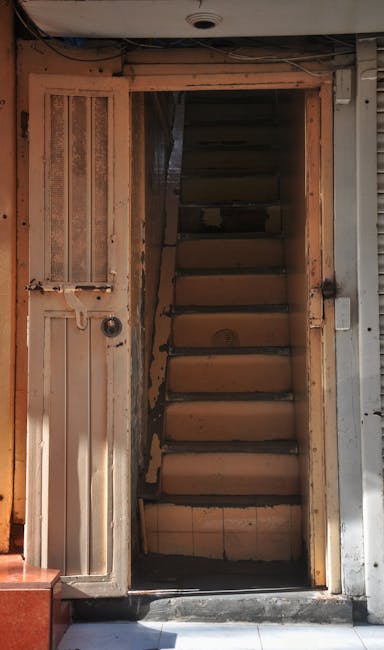
Anyone who has tried to move a sofa, wardrobe, or even a bulky box up a tight staircase knows the feeling: the turning point on the landing looks fine from the bottom, then suddenly it is not fine at all. In Blackfen, that problem is common enough that planning for Narrow Staircases: Small-Van Solutions for Blackfen can make the difference between a smooth move and a slow, stressful slog. The good news? With the right vehicle choice, careful packing, and a bit of local know-how, narrow access is manageable. Sometimes even easier than expected. Well, almost always easier than trying to force a dresser around a corner that was clearly designed by someone with a grudge.
This guide breaks down how small-van removals work, why they suit tight stairwells and compact streets, who they are best for, and what to do before moving day to keep people, furniture, and walls safe. You will also find practical steps, a comparison table, a checklist, and answers to the questions people actually ask when they are staring up a steep staircase and wondering how on earth the bed is going to fit.
Why Narrow Staircases: Small-Van Solutions for Blackfen Matters
Blackfen has a mix of housing types, from flats and maisonettes to older homes with awkward internal layouts. That means many moves involve more than just loading boxes and driving off. Narrow staircases, tight corners, low ceilings, and landing turns can all create bottlenecks, especially when larger furniture is involved. A big van is not automatically the best answer. In fact, a smaller vehicle often makes the whole job more efficient because it is easier to park, easier to manoeuvre, and better suited to split-load or carefully timed access.
The real issue is not just size. It is control. A small van gives the crew more flexibility in short streets, shared drives, and busier residential roads. That matters when you are trying to keep the move tidy and safe. If you want a broader overview of moving options in the area, it can help to read the services overview and compare it with more specific support such as flat removals in Blackfen or man and van Blackfen solutions.
There is also a practical reality to stairs themselves. Narrow staircases increase the chance of scraped paint, strained backs, bent frames, and the classic "it was fine in the hallway" moment. A small-van solution is often chosen not because the move is tiny, but because the access is. That distinction matters quite a lot.
How Narrow Staircases: Small-Van Solutions for Blackfen Works
The process usually starts with assessing the route from van to room. That means checking the width of the front path, the shape of the staircase, the size of landings, and whether there are awkward bends at the top or bottom. Once that is clear, the mover decides whether items should be taken upstairs as they are, dismantled first, or split into lighter loads.
Small-van moving works especially well where access is restricted. The van itself typically carries fewer items per trip than a larger removal lorry, but that can be an advantage. It makes loading more deliberate, reduces wasted space, and allows the team to organise heavy and fragile items in a way that suits narrow interiors. When the staircase is tight, a carefully packed small van often beats a larger vehicle that simply cannot get close enough to the property.
For example, a mattress, bed frame, desk, and several boxes may be moved in a sequence rather than all at once. That sequence is planned to keep the stairwell clear and reduce twisting. If you are moving furniture specifically, the page on furniture removals in Blackfen is a useful companion read, and for bedding or bedroom furniture, the guide on relocating your bed and mattress is worth a look.
In practice, the job often includes three parts:
- Planning the access so the route is clear before anyone lifts a thing.
- Choosing the right van size for the property, not just the amount of stuff.
- Handling the load smartly with protective wrapping, strap systems, and sensible lifting technique.
That may sound simple, but as anyone who has moved on a damp Tuesday morning at 7:30 knows, simple is good.
Key Benefits and Practical Advantages
The biggest benefit is reduced friction, both literally and figuratively. A small van allows for more accurate loading and often quicker access on streets where parking is tight. That can reduce the amount of time crews spend carrying items from the vehicle to the property, which is usually where a lot of the physical strain happens.
Here are the advantages people notice most often:
- Better access on narrow streets and driveways where larger vehicles may struggle.
- Less chance of damage because the team can move more carefully and in smaller, controlled loads.
- Improved loading efficiency for flats, student moves, and partial house relocations.
- Lower stress for residents and neighbours because the move is usually faster and less obstructive.
- Greater flexibility for same-day or short-notice jobs when access is the main challenge.
There is also a subtle benefit people do not always think about: decision quality. When a job is planned around narrow staircases from the start, fewer things are left to chance. You are less likely to discover, mid-move, that the wardrobe does not turn or the freezer is too awkward to carry safely. For preparation help, the articles on creative packing solutions and decluttering for a stress-free move are a strong pair.
Expert summary: if access is tight, do not start by asking "How much can the van hold?" Start by asking "What can safely move through the building?" That one question changes everything.
Who This Is For and When It Makes Sense
This kind of move is ideal for people living in upper-floor flats, maisonettes, converted houses, or any property where the staircase is too tight for easy turning. It is also useful for students, landlords preparing a rental, and homeowners moving only a few bulky items rather than a full house load.
It makes sense when:
- the property has a narrow staircase or awkward turn on the landing;
- parking is limited outside the building;
- you have one or two large items rather than a full household;
- you need quick access without the footprint of a larger removal vehicle;
- you want a more affordable, practical setup for a partial move.
It is also a smart choice if you are moving in or out of a flat and want a service that matches the building rather than fighting it. The pages for student removals Blackfen and house removals Blackfen show how different move types can require different approaches, and that is exactly the point here. There is no one-size-fits-all. To be fair, there rarely is.
One small but useful local consideration: if your route involves busier roads or tighter parking, you may want to read about access and parking for removals by Danson Park and the best van routes near Falconwood Station. Even when the move is local, the route can shape the whole day.
Step-by-Step Guidance
A good small-van move for narrow staircases starts before anyone arrives. Here is a sensible sequence.
- Measure the problem areas. Check the staircase width, landings, doorways, and any turning points. If you can safely measure the largest item too, even better.
- Identify what needs dismantling. Beds, table legs, shelving, and some sofas usually travel better in parts.
- Sort items by difficulty. Put fragile, heavy, and awkward pieces in separate groups. Do not let them become one chaotic pile in the hallway.
- Protect the route. Use floor coverings, door protection, and padding where needed. Narrow staircases punish hesitation and scratches equally.
- Load the small van logically. Heavy items go in first, with lighter boxes securing gaps. Keep frequently needed tools accessible.
- Move one item at a time on the stairs. That sounds obvious. It is obvious. Yet people still try to squeeze too much through at once.
- Check and reset as you go. Pause if the route gets blocked, if someone is getting tired, or if the item needs a different angle.
If you are moving anything especially heavy, it is worth reading this guide to lifting heavy items by yourself and, for bigger or unusual objects, the complexity of moving a piano by yourself. Even if you are not moving a piano, the same care principles apply: protect the item, protect the stairwell, protect the people.
Small-van planning becomes even smoother when you think about timing. Early morning starts are often easier because stairwells are quieter, neighbours are less likely to be in and out, and the team can work without constant interruptions. That little bit of calm makes a surprising difference.
Expert Tips for Better Results
Experienced movers tend to rely on a few habits that save time and reduce risk. None of them are glamorous, but they work.
- Wrap before you move. Corners, handles, and polished surfaces are the usual trouble spots.
- Keep the stairwell clear. Shoes, plant pots, loose bags, and random clutter become trip hazards very quickly.
- Use the right lift height. A poor lifting posture on a staircase is a quick route to a sore back. The article on kinetic lifting gives a useful sense of why body position matters.
- Label awkward items early. If something must stay upright or face a certain direction, mark it clearly.
- Do not overfill the van. A small van should be packed tightly, yes, but not jammed to the point that unloading becomes a puzzle.
Another practical tip: if you are unsure whether something will fit, test it before moving day. A dry run at the doorway or staircase can save a lot of frustration. There is nothing quite like discovering a sofa is two inches too wide when it is already halfway up the steps. Not ideal. Not remotely ideal.
For a more complete move-day rhythm, these pro tips for a smooth home move and the pre-move cleaning guide help round out the process. Cleaner spaces, fewer obstacles, better results.
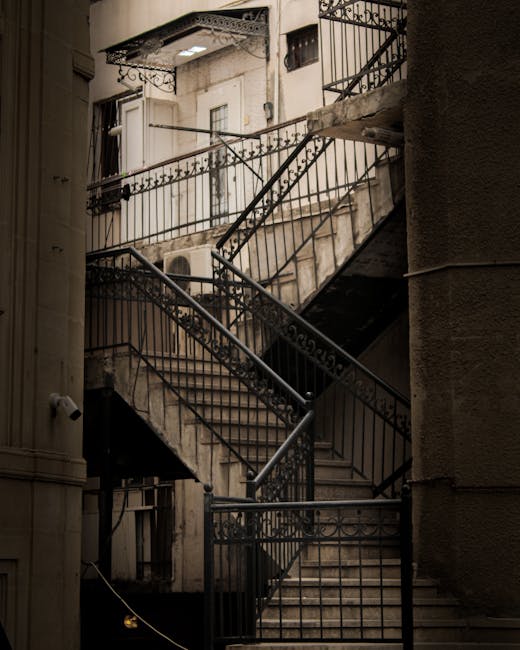
![A view looking down a narrow wooden staircase inside a residential property, with dark wooden steps and a matching wooden handrail on the right side. The staircase is enclosed by dark walls, and the angle emphasizes the tight space, highlighting the steepness and narrowness of the staircase. The lighting is subdued, with natural light coming from above or an adjacent room, illuminating the wooden surfaces. This image captures the specific challenge of navigating small or confined staircases during home relocations, which [COMPANY_NAME] regularly manages as part of their professional removals services. The scene suggests a careful and organized loading process, potentially involving the transport of furniture and packed boxes up or down the staircase. The environment is typical of a residential setting needing skilled transportation solutions for furniture and belongings in limited spaces, aligning with services such as packing, moving logistics, and furniture transport, as offered by [DOMAIN].](/pub/blogphoto/narrow-staircases-smallvan-solutions-for-blackfen2.jpg)
Common Mistakes to Avoid
Most access problems are avoidable. They tend to happen when people assume the stairs will be easier than they look or the van can carry more than it really should.
- Choosing the wrong vehicle size. Bigger is not always better. If parking or access is tight, a smaller vehicle can be the smarter option.
- Skipping measurements. "It should fit" is not a plan.
- Trying to move everything assembled. Some furniture simply needs to come apart first.
- Ignoring the route outside. Steps, kerbs, bins, and parked cars can all create delays before you even reach the front door.
- Not factoring in fatigue. Narrow staircases are tiring, especially when you are turning, lifting, and balancing all at once.
Another mistake is forgetting what to do with items that no longer belong in the home. If a move is your chance to reduce clutter, make sure old furniture and unwanted bits are handled properly. The article on dealing with bulky waste after a Blackfen move is useful here, and it pairs well with recycling and sustainability for items that can be reused or responsibly processed.
To be fair, one of the biggest mistakes is simply underestimating the emotional side of the job. Tight staircases make a move feel more complicated than it looked on paper. That is normal. The trick is to plan for it, not fight it.
Tools, Resources and Recommendations
You do not need a warehouse of equipment, but the right tools help a lot. Even a simple move becomes much safer when the basics are handled properly.
| Tool or resource | Why it helps | Best used for |
|---|---|---|
| Furniture blankets | Reduce scuffs and impact damage | Sofas, tables, wardrobes, cabinets |
| Strong tape and wrap | Hold drawers, doors, and loose parts in place | Flat-pack pieces, shelving, dresser units |
| Gloves with grip | Improve handling and reduce slips | Boxes, appliances, awkward items |
| Carpet or floor protection | Helps protect stair treads and hallway flooring | Narrow staircases and busy access routes |
| Straps and dollies | Support safer handling of heavy loads | Large boxes, white goods, dense furniture |
For storage between move stages, storage in Blackfen can be useful if the staircase or property timing means you need a break between pickup and delivery. And if you are in the middle of sorting boxes, the page on packing and boxes in Blackfen is a sensible place to get organised.
There is also value in choosing a team that already understands local conditions. A familiar driver can often judge access, road positioning, and loading order faster because they have seen similar homes before. That familiarity is not magic, but it helps. A lot.
Law, Compliance, Standards and Best Practice
When moving heavy items through narrow staircases, the practical duty is simple: reduce risk wherever you reasonably can. In the UK, safe manual handling and careful route planning are standard expectations in removals work. You do not need to turn the process into a legal lecture, but you do need to treat lifting, carrying, and stair work as real safety tasks rather than a quick favour.
Best practice normally includes:
- carrying items in a way that does not overload one person;
- using suitable equipment for awkward or heavy furniture;
- keeping access routes clear and visible;
- avoiding rushed lifting on stairs or tight turns;
- taking care not to damage shared spaces or neighbouring property.
If you are arranging a move professionally, it is sensible to review safety and insurance details before the day arrives. The pages on insurance and safety and health and safety policy explain the kind of standards people should expect from a responsible service. If you want to understand the company background as well, about us is worth a look.
For payments and expectations, it is also wise to review payment and security, pricing and quotes, and the terms and conditions. That way, there are fewer surprises. Always a good thing.
Options, Methods, or Comparison Table
Not every narrow-staircase move needs the same setup. Here is a simple comparison that may help you judge the best route.
| Approach | Best for | Strengths | Trade-offs |
|---|---|---|---|
| Small van plus careful staircase carry | Flats, partial moves, awkward access | Flexible, easier parking, controlled loading | May need more than one trip |
| Fully dismantled furniture move | Large items with removable parts | Fits tight turns more easily | Needs time for assembly and reassembly |
| Storage-first move | Staggered move dates, renovation delays | Removes pressure from the moving day | Extra step before final delivery |
| Specialist item handling | Pianos, safes, very heavy or delicate pieces | Reduced risk, better protection | May require more planning and coordination |
For specialist items, the dedicated piano removals Blackfen page shows why a normal approach is not always enough. A piano, for example, is not just heavy; it is awkward, valuable, and unforgiving of bad angles. A small van may still be part of the solution, but only as one piece of a more careful plan.
If the move is short notice or the access is more complicated than expected, same day removals Blackfen may also be relevant. That said, quick does not mean careless. The whole point is to stay organised even when the timeline is tight.
Case Study or Real-World Example
Picture a second-floor flat in Blackfen with a narrow staircase that turns sharply at the halfway landing. The move includes a bed frame, mattress, two small wardrobes, a compact sofa, and a stack of kitchen boxes. A large vehicle could have been booked, but there was little point: the front street was tight, parking was limited, and the stairwell was the real challenge.
The solution was straightforward. The larger furniture was dismantled where possible, each piece was wrapped, and the van was loaded in a specific order so the heaviest items came off first at the destination. Boxes were grouped by room and kept light enough to carry comfortably. The stairwell was protected, and the team moved in short, controlled runs rather than trying to rush the whole job. It was not flashy. It was just sensible.
What made the difference most was the preparation. The client had already cleared the hallway, labelled the boxes, and set aside the awkward furniture for special handling. That saved time and reduced back-and-forth. A good result often comes from a chain of small decisions, not one big heroic effort. And honestly, that is usually how moving works.
For more on handling similar situations, the move planning advice in the Blackfen Road DA15 moving guide and the local note on emergency evacuations and short-notice moving help can be useful reference points.
Practical Checklist
Use this checklist before move day if your property has narrow staircases or tight access.
- Measure stair width, landings, and doorways.
- Check which furniture needs dismantling.
- Clear the hallway, stairs, and front entrance.
- Protect floors, walls, and corners where possible.
- Separate heavy, fragile, and awkward items.
- Label boxes by room and priority.
- Confirm parking access and unloading space.
- Arrange storage if the timing is split.
- Keep tools, tape, and wrapping materials nearby.
- Review safety, insurance, and terms before the move.
- Set aside bulky waste or unwanted items for proper disposal.
If you are still sorting through what stays and what goes, a quick read of hidden fees in Blackfen removals can also help you ask the right questions before booking. No one enjoys surprise extras at the end of a long day, least of all when there are stairs involved.
Conclusion
Narrow staircases do not have to turn a move into a headache. With the right small-van approach, thoughtful packing, and a clear plan for access, even awkward properties in Blackfen can be managed with far less stress than people expect. The key is to match the vehicle, the route, and the lifting method to the building, rather than forcing a bigger solution into a smaller space.
That is the real lesson here: careful planning beats brute force nearly every time. Measure first, move second, and keep the stairwell as calm as you can. It makes the whole day feel lighter, even when the furniture is not.
Get a free quote today and see how much you can save.
And if nothing else, remember this: a tight staircase can be handled. You just need the right approach, a steady pair of hands, and maybe a little patience around the corners.